EGR Delete vs EGR Clean – Which One’s Right for Your Vehicle
EGR Delete vs EGR Cleaning – Which One Actually Fixes the Problem?
If your diesel ute has started losing power, surging, producing black smoke, or struggling under load while towing, the problem is often linked to the Exhaust Gas Recirculation (EGR) system.
The EGR system was designed to reduce emissions by recirculating a portion of exhaust gas back into the engine’s intake manifold. By mixing exhaust gas with fresh air, combustion temperatures are reduced and nitrogen oxide (NOx) emissions are lowered.
In theory, this helps vehicles meet modern emissions standards.
In practice—especially under Australia’s hot climate, dusty conditions, and heavy towing loads—the EGR system often becomes one of the first components to create performance and reliability problems.
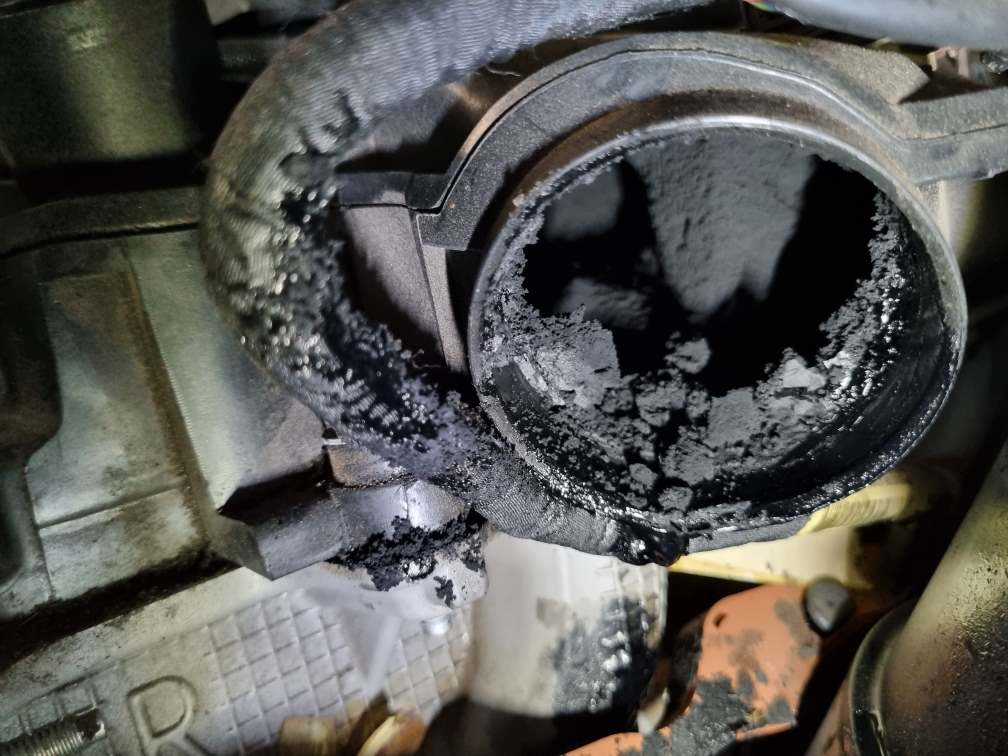
Over time, soot from the exhaust mixes with oil vapour from the crankcase ventilation system. This combination forms thick carbon deposits that gradually clog the EGR valve, intake manifold and air passages.
When this happens, the engine is no longer breathing clean air. Instead, it is forced to ingest a mixture of soot, oil vapour and hot exhaust gases.
The result is reduced efficiency, reduced airflow, and eventually noticeable performance problems.
At this point, most owners face a common question:
Should you clean the EGR system, or remove it completely?
Below is a clear explanation of both options.
How the EGR System Affects Diesel Engine Performance
Most modern common-rail diesel engines are equipped with EGR systems that are prone to carbon buildup.
This includes popular Australian platforms such as:
Mitsubishi Triton
Toyota HiLux
Isuzu D-MAX
Ford Ranger
Nissan Navara
Mazda BT-50
Over time, carbon and soot accumulate inside the intake system and EGR valve, restricting airflow and disrupting the engine’s ability to operate efficiently.
As the system becomes contaminated, drivers often notice symptoms such as:
reduced throttle response
Increased fuel consumption
Black smoke under load
Surging or hesitation during acceleration
Limp mode or engine warning lights
Gradual turbocharger or DPF problems
For vehicles used in towing, trade work, or off-road touring, these problems can appear long before a warning light is triggered.
In many cases, the engine slowly loses efficiency over thousands of kilometres before the driver realises what is happening.
Option 1 – EGR Cleaning
An EGR cleaning service involves removing the EGR valve and often the intake manifold in order to remove accumulated carbon deposits.
The components are typically cleaned using specialised solvents or blasting techniques to restore airflow through the system.
This process removes the sludge buildup and allows the engine to breathe more freely again.
Some owners also choose to replace heavily worn EGR valves at the same time.
Advantages of EGR Cleaning
Fully legal and emissions compliant
Restores factory airflow and engine behaviour
Lower upfront cost (typically $320–$600 depending on severity)
Suitable for vehicles still under warranty
Limitations of EGR Cleaning
Does not address the underlying design issue
Carbon buildup will gradually return
Exhaust gas is still being recirculated into the intake
Long-term contamination of the intake system continues
Best suited for:
Fleet vehicles, warranty-covered vehicles, or owners who want to remain fully emissions compliant.
Why Carbon Buildup Happens in the First Place
It’s important to understand that intake contamination in modern diesel engines is not caused by the EGR system alone.
Carbon buildup is typically the result of several factors working together. EGR gases introduce soot into the intake system, but oil vapour from the crankcase ventilation system and combustion by-products from fuel injection also contribute to the deposits that accumulate in the manifold.
Fuel quality plays a role as well. Lower quality diesel or inconsistent combustion can increase soot production. Over time, injector wear or poor spray patterns can lead to incomplete combustion, producing additional carbon particles that circulate through the intake and exhaust system.
When these factors combine with EGR operation, the intake manifold can gradually accumulate thick sludge made from soot, oil vapour and fuel residue.
This is why cleaning the EGR valve and intake manifold can restore airflow and improve performance, but it does not completely eliminate the conditions that allow carbon buildup to return over time.
A full electronic EGR delete removes one of the primary sources of soot entering the intake system, which is why many owners choose that route when long-term reliability is the priority.
Option 2 – EGR Delete
An EGR delete disables the EGR system so exhaust gas is no longer recirculated into the intake.
This is usually achieved by modifying the engine control software and sometimes installing blanking plates to prevent exhaust flow through the EGR circuit.
Once the system is disabled, the engine breathes only fresh intake air rather than a mixture of air and exhaust gases.
Advantages of an EGR Delete
Prevents carbon buildup inside the intake system
Reduces intake temperatures and improves combustion stability
Helps maintain cleaner intake airflow over time
Reduces long-term contamination of turbocharger components
Can improve fuel efficiency under heavy load or towing conditions
Often improves throttle response and drivability
Limitations of an EGR Delete
Not legal for on-road vehicles under Australian emissions regulations (ADR)
Must be paired with proper ECU calibration to prevent fault codes
May affect manufacturer warranty coverage
Best suited for:
Touring vehicles, heavy towing setups, off-road vehicles, or owners prioritising long-term reliability once the vehicle is out of warranty.
Fuel Economy – Does an EGR Delete Improve Efficiency?
One of the most common questions owners ask is whether removing the EGR system improves fuel consumption.
The answer is: sometimes, but not always dramatically.
An EGR delete does not magically reduce fuel use on its own. However, removing exhaust gas from the intake improves airflow quality and combustion stability.
When combustion becomes more stable, the engine can operate more efficiently—especially under heavy load or towing conditions.
In real-world conditions, many owners see improvements in the range of 5–10% fuel consumption reduction, particularly when combined with proper ECU calibration.
For example, heavily loaded utes running GVM upgrades have been observed dropping from around 15.5L/100 km to approximately 13.8L/100 km after a properly calibrated EGR delete and tune.
Results vary depending on vehicle setup and driving conditions.
Why EGR Systems Struggle in Australian Conditions
While EGR systems function reasonably well in controlled laboratory environments, Australian driving conditions often accelerate the contamination process.
Several factors contribute to faster EGR buildup:
High ambient temperatures
Heavy towing loads
Dusty environments
Long highway driving under load
Oil vapour from crankcase ventilation systems
These factors combine to increase soot production and intake contamination, which is why EGR-related problems are so common in diesel utes used for work and touring.
Legal Considerations
Under Australian Design Rules (ADR), emissions systems such as the EGR are required for road-legal vehicles.
Removing or disabling the system for on-road use is not compliant with emissions regulations.
However, EGR deletes are commonly performed on vehicles used in off-road applications, farm vehicles, and specialised builds.
At Brisbane Tuning & Turbo, we provide both:
Professional EGR cleaning services
Off-road EGR delete and ECU tuning solutions
We help customers understand the benefits, limitations, and legal considerations before making a decision.
What We Recommend at Brisbane Tuning & Turbo
The right solution depends on how the vehicle is used.
If the EGR system is only lightly contaminated and the vehicle is still under warranty, a full EGR and intake cleaning service is often the most sensible option.
If the vehicle is used heavily for towing, touring or trade work—and the owner is focused on long-term reliability—many drivers choose an EGR delete combined with proper ECU calibration once the vehicle is out of warranty.
The goal is always the same:
keep the engine breathing clean air and operating efficiently under real-world load conditions.
Need Help Diagnosing Your EGR System?
If your diesel ute is experiencing power loss, black smoke, surging or limp mode, the EGR system may already be restricting airflow inside the engine.
At Brisbane Tuning & Turbo, we diagnose diesel engine performance issues using live data analysis and load-based testing to determine whether the problem is caused by EGR contamination, airflow restriction, turbocharger behaviour or ECU control strategies.
Book a diagnostic inspection and we’ll help determine the correct solution for your vehicle.
Our news