Mazda CX-5 Diesel Diagnostics
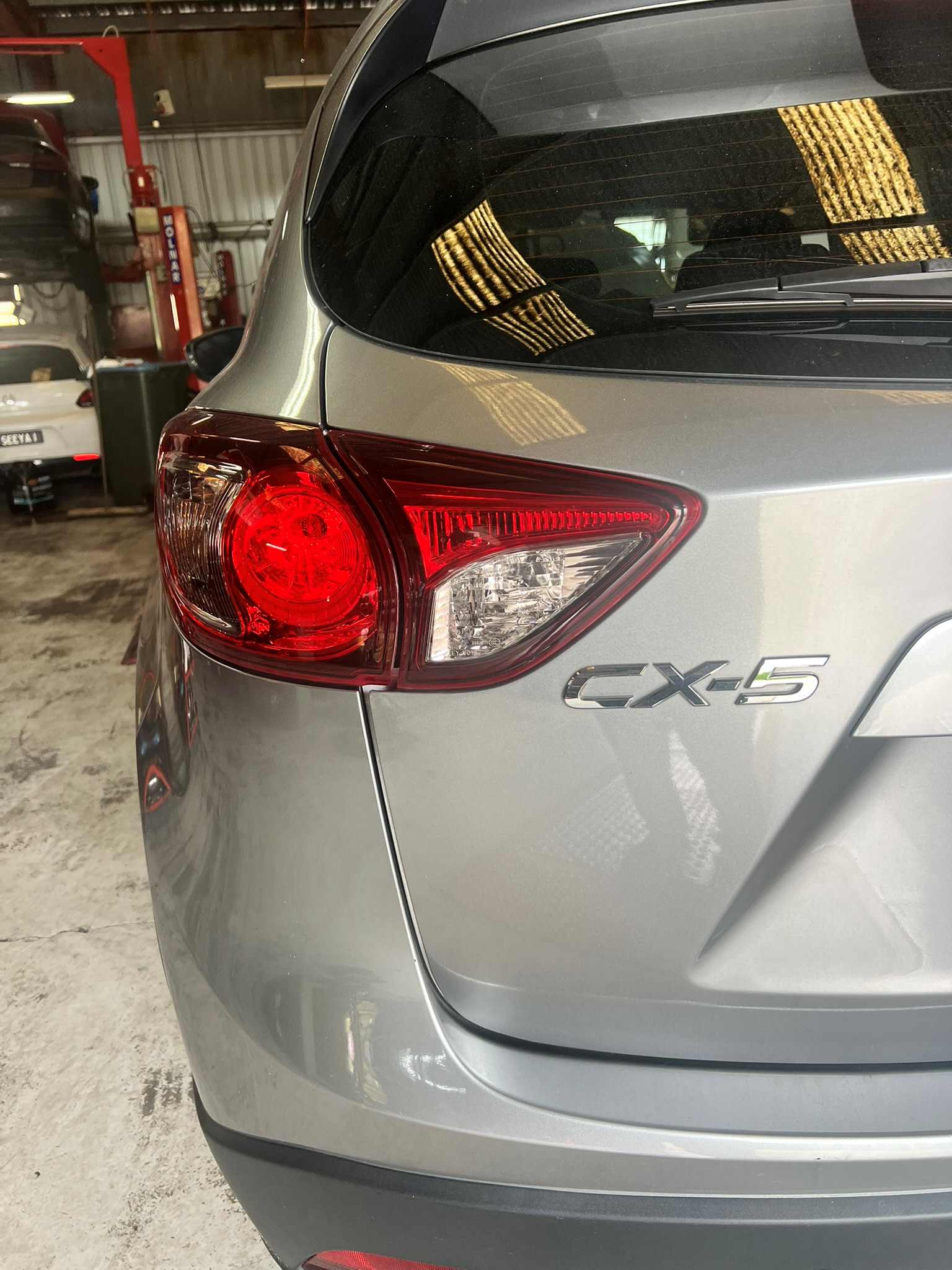
Mazda CX-5 Diesel Diagnostics
Mazda CX-5 diesel engines are known for good performance and fuel economy — but they are also one of the most common diesel vehicles we see with progressive engine and fuel system problems.
What starts as a small issue — slight power loss or rough idle — can quickly develop into fuel system failure, EGR blockage, or even internal engine wear.
By the time most owners notice something is wrong, the problem has already moved beyond a simple fix.
Most Mazda CX-5 diesel owners don’t notice a problem until the vehicle starts losing power, idling rough, or throwing a check engine light.
By the time symptoms appear, the issue has often already progressed beyond a simple fix.
At Brisbane Tuning & Turbo, we commonly see CX-5 diesel vehicles coming in with:
- Loss of power under load
- Rough idle or engine vibration
- Hard starting or stalling
- Excessive smoke or fuel consumption
- Check engine light with multiple stored fault codes
In most cases, these symptoms are not isolated faults — they are connected to underlying issues within the EGR system, fuel delivery system, or internal engine components like the camshaft.
Understanding how these systems fail — and how early the signs appear — is key to avoiding major repair costs.
1. Exhaust Gas Recirculation (EGR) System Issues
The EGR system recirculates a portion of the engine’s exhaust gases back into the combustion chamber to reduce nitrogen oxide emissions. Over time, this system can develop problems:
-
Carbon Build-Up: The EGR valve and associated components can accumulate carbon deposits, leading to restricted airflow and reduced engine performance. Symptoms include engine misfires, vibrations, and the illumination of the check engine light.
-
Valve Malfunction: A faulty EGR valve can result from loss of vacuum, diaphragm perforation, or the valve becoming stuck open or closed. Such malfunctions can cause rough idling, decreased fuel efficiency, and increased emissions.
Regular maintenance, including periodic inspection and cleaning of the EGR valve, can mitigate these issues. In some cases, replacement may be necessary to restore optimal function.
2. Fuel Pump Failures
The CX-5 diesel is equipped with both low-pressure and high-pressure fuel pumps, each susceptible to specific problems:
-
Low-Pressure Fuel Pump: Failures in the low-pressure fuel pump, often due to impeller deformation, can lead to engine sputtering, stalling, and difficulty starting. Mazda has acknowledged this issue, leading to recalls to replace defective pumps.
-
High-Pressure Fuel Pump: Malfunctions in the high-pressure fuel pump can cause significant drivability issues. Symptoms include loss of power and engine stalling. In some instances, both fuel pumps have failed simultaneously, complicating diagnosis and repair.
Owners experiencing such symptoms should seek immediate diagnostic services to prevent further engine damage.
3. Camshaft and Associated Component Concerns
The camshaft plays a crucial role in engine timing and operation. In the CX-5 diesel, specific issues have been reported:
-
Camshaft Wear: Premature wear of the camshaft can occur due to oil contamination or inadequate lubrication. This wear can lead to reduced engine performance and, if unaddressed, severe engine damage.
-
Vacuum Pump Failure: The vacuum pump, driven by the camshaft, can fail if the camshaft itself is compromised. Such failures can affect various systems, including brake boosters, leading to decreased braking efficiency.
Regular oil changes with the manufacturer-recommended oil type and viscosity are essential to prevent such issues. Additionally, monitoring oil levels and quality can help detect potential problems early.
Failure Stages – From Minor Issue to Major Engine Damage
Most CX-5 diesel problems follow a predictable progression:
Early Stage:
Slight power loss, occasional rough idle, minor fuel economy changes. Often no warning lights yet.
Mid Stage:
Check engine light appears, noticeable hesitation, poor acceleration, increased smoke, and fault codes related to EGR or fuel pressure.
Late Stage:
Severe power loss, hard starting, stalling, or limp mode. At this point, multiple systems may be affected — including fuel pumps, turbocharger performance, and internal engine components.
Critical Stage:
Engine damage risk increases significantly. Camshaft wear, fuel system contamination, or major component failure can require costly repairs or full engine work.
The earlier the issue is diagnosed, the more options are available — and the lower the repair cost.
Common Fault Codes in Mazda CX-5 Diesel
Some of the most common diagnostic trouble codes (DTCs) we see include:
- P0401 / P0402 – EGR flow issues
- P0087 – Fuel rail pressure too low
- P0093 – Fuel system leak detected
- P0191 – Fuel rail pressure sensor range/performance
- P0012 / P0015 – Camshaft timing issues
These codes do not always point to a single faulty part. In many cases, they indicate a system-wide issue that requires proper testing to confirm the root cause.
What Happens If You Ignore These Problems
One of the biggest mistakes CX-5 diesel owners make is continuing to drive the vehicle while symptoms are still “manageable”.
In reality, this is when the most damage occurs.
For example:
- A partially blocked EGR system increases combustion temperatures and soot load
- Fuel system issues can lead to unstable pressure and injector stress
- Oil contamination from DPF regeneration reduces lubrication, accelerating camshaft wear
Over time, these issues begin to overlap.
What starts as a single fault can turn into a combination of:
- Fuel pump failure
- Injector damage
- Turbocharger stress
- Internal engine wear
At this stage, repair costs increase significantly, and multiple components may need to be addressed at once.
Early diagnosis is what prevents this escalation.
Why the Mazda CX-5 Diesel Engine Develops These Problems
The 2.2L Skyactiv-D engine is designed to run with lower compression and higher exhaust gas recirculation compared to traditional diesel engines.
While this improves emissions and fuel efficiency, it also creates conditions that accelerate wear in key systems.
High EGR flow increases soot levels entering the intake system, which leads to faster carbon build-up in the EGR valve, intake manifold, and combustion system.
At the same time, frequent DPF regeneration cycles can cause fuel dilution in the engine oil, reducing lubrication quality. This directly contributes to premature camshaft wear and internal engine stress.
Short driving cycles — common in city use — make this worse, as the engine rarely reaches optimal temperature for clean combustion and full regeneration.
This combination of soot, oil dilution, and thermal stress is what makes the CX-5 diesel particularly prone to the issues outlined above.
Can a Service Fix It — Or Is a Repair Needed?
This is one of the most common questions we get.
In early stages, some issues can be addressed with targeted cleaning, software updates, or minor component replacement.
However, once the problem progresses, a standard service will not resolve the root cause.
For example:
- EGR cleaning may not fix underlying soot accumulation
- Replacing a single fuel pump may not address system contamination
- Oil changes alone will not reverse camshaft wear
Accurate diagnosis is critical before any repair is recommended. Guessing or replacing parts blindly often leads to higher costs and repeat failures.
What To Do If Your CX-5 Diesel Is Showing Symptoms
If your Mazda CX-5 diesel is showing signs of power loss, rough running, or fault codes, the best step is to diagnose the issue early.
Waiting too long can turn a manageable repair into a major engine or fuel system failure.
At Brisbane Tuning & Turbo, we specialise in diesel diagnostics, turbo systems, and fuel system fault identification.
We’ll identify the root cause, explain the issue clearly, and give you a structured repair path — so you can make the right decision without guesswork.
Book a diagnostic inspection today and get a clear answer before the problem gets worse.
How Brisbane Tuning & Turbo Diagnoses CX-5 Diesel Problems
At Brisbane Tuning & Turbo, we don’t rely on guesswork.
We perform a structured diagnostic process that includes:
- Full system scan and fault code analysis
- Live data monitoring under load
- Fuel system pressure testing
- EGR and airflow validation
- Road testing or dyno-based verification where required
This allows us to identify whether the issue is:
- A control system problem (EGR, sensors, airflow)
- A fuel system failure (low or high pressure)
- Internal engine wear (camshaft, lubrication-related)
From there, we provide a clear plan of action — not trial-and-error part replacement.
This process allows us to pinpoint the root cause before any parts are replaced — saving time, reducing unnecessary costs, and preventing repeat failures.
Real-World Insight From Our Workshop
Most CX-5 diesel vehicles we inspect do not have just one fault.
In many cases, we find a combination of EGR restriction, fuel system imbalance, and early-stage internal wear — all contributing to the symptoms the driver is experiencing.
This is why proper diagnosis is critical. Fixing one part without understanding the full system often leads to the problem returning.