ZF 8HP70 / 8HP45 Transmission Problems
ZF 8HP70 / 8HP45 Transmission Problems: A Practical Guide for Amarok, Jeep and BMW Owners
This guide will help you understand how your ZF 8HP70 or 8HP45 works, why it fails, what symptoms to watch for, and what you should do next if your Amarok, Jeep, Land Rover, or BMW starts acting up.
The ZF 8-speed automatic transmission, known as the 8HP70 and 8HP45, is one of the most popular transmissions in modern cars, utes and SUVs. Found in Amarok V6, Jeep Grand Cherokee, Land Rover Discovery and Defender, and many BMW X-series models. ZF 8HP70 transmission is praised for its smooth shifting, fuel efficiency, and performance.
If your Amarok, Jeep or BMW is doing any of the following, this guide is for you:
– Shudder at 80–100km/h
– Delayed gear engagement
– Hard downshifts when stopping
– Rev flare between gears
– Transmission warning or limp mode
If you’ve noticed even one of these, your transmission is already showing early failure signs.
Yet, while the 8HP family is a modern engineering success, it is not immune to problems. Many owners begin to notice shuddering, harsh or delayed shifts, limp mode, or strange noises, often earlier than they expect. Understanding what causes these issues, why they happen, and how to catch them early will help you protect your vehicle and your wallet.
When This Guide May Not Apply
This guide is for vehicles showing clear transmission symptoms.
If your vehicle has no symptoms and shifts perfectly, a diagnostic may not be necessary at this stage.
However, if you tow, drive under load, or have high mileage, preventative checks can still be beneficial.
The difference between a $3,500 repair and a $9,000 rebuild is early diagnosis.
ZF 8HP70 / 8HP45 Transmission Problems: Stages of failure
If left unchecked, this is what typically happens:
Stage 1: Torque converter starts slipping
Stage 2: Clutch material contaminates fluid
Stage 3: Valve body and solenoids begin failing
Stage 4: Heat increases → internal clutch damage
Stage 5: Full rebuild required ($7,000–$9,000+)
What could have been a $2,000–$3,000 repair becomes a full transmission rebuild.
At this point, the only way to avoid a full rebuild is to confirm the issue early with proper testing.
If your vehicle is already showing symptoms, now is the time to confirm the issue before it progresses further. Book a transmission diagnostic here.
How Quickly Do These Problems Get Worse?
In many cases, we see minor symptoms turn into major failures within weeks or months — especially in vehicles used for towing or daily driving.
The longer the issue is left:
– the more heat builds
– the more debris spreads
– the more expensive the repair becomes
At this stage, the difference between a repair and a rebuild is timing — not luck.
What Makes the ZF 8HP Transmission Different
The ZF 8HP is an 8-speed automatic transmission that uses a clutch-to-clutch system rather than traditional band-and-clutch setups. It provides:
Smooth, rapid shifts for daily driving and highway cruising.
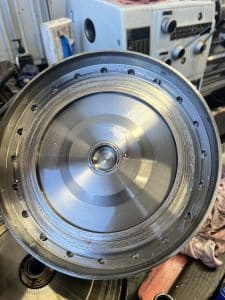
Billet Torque Converter Damaged
An integrated mechatronic unit that controls hydraulic and electronic operations.
A lock-up torque converter to improve efficiency and reduce heat during cruising.
Adaptive learning, adjusting its shifting patterns to your driving style, load, and conditions.
This design delivers a smooth driving experience while handling the high torque from modern turbo-diesel and petrol engines. However, this same complexity means there are more points of potential failure, particularly when these transmissions are used for towing, heavy loads, and in the heat of Australian conditions.
Why These ZF 8HP70 / 8HP45 Transmissions Fail Despite Being Modern
It is easy to assume that a modern transmission like the ZF 8HP70 / 8HP45 will last forever, but heat, load, and complex electronic control systems can cause issues even in well-designed units. Owners of Amarok V6, Jeep Grand Cherokee, Land Rover, and BMW vehicles often use their vehicles for towing, off-road adventures, and long highway drives in Queensland heat, which all add stress to the transmission.
Here are the main factors that lead to failures:
1. Heat from Towing and Heavy Loads
The torque converter generates heat when moving heavy loads, particularly during towing or low-speed climbs. If this heat is not managed with effective cooling, it can lead to fluid breakdown and internal wear.
2. Fluid Degradation and Contamination
Over time, transmission fluid breaks down due to heat and shear forces, leading to varnish formation and debris. This contamination can damage the valve body, solenoids, and the torque converter clutch.
3. Electronic and Adaptation Complexity
The mechatronic unit and the adaptive learning system are sensitive to voltage fluctuations and require proper adaptation resets after fluid services, battery replacements, or software updates. If these are skipped or done incorrectly, shifting problems can arise.
4. Mechanical Wear and Tear
The 8HP transmission handles significant torque, and over time, the internal components, such as clutch packs and seals, can wear out, leading to slipping, harsh shifts, and shudder.
While these transmissions are built well, they are not invincible, and early intervention is key to avoiding expensive repairs.
Symptoms of ZF 8HP70 / 8HP45 Transmission Problems
Knowing what symptoms to look for can help you catch problems early, protecting your vehicle from further damage. Here are the most common symptoms reported by owners of Amarok V6, Jeep Grand Cherokee, BMW X-series, and Land Rover Discovery or Defender with the 8HP transmission:
1. Shudder Under Light Throttle
You may notice a vibration or rumbling sensation, particularly at 80–100 km/h under light throttle. It may feel like you are driving over a rumble strip or like your engine is misfiring, but it disappears when you accelerate harder or back off the throttle. This often indicates torque converter clutch slip or uneven clutch engagement.
2. Harsh or Delayed Shifts
The vehicle may shift harshly between gears or delay shifting altogether, especially when hot. You may feel a bang or jolt during upshifts or downshifts, particularly at lower speeds.
3. Engine Rev Flare
You might notice the engine revs rising without a corresponding increase in speed before the gear finally engages with a thud. This indicates slipping clutches or issues with the hydraulic control system.
4. Limp Mode or Restricted Performance
The transmission may refuse to shift out of a particular gear, often second or third, and a warning light may appear on the dash. This is the transmission’s way of protecting itself from further damage.
5. Hard Downshifts
When slowing to a stop, the transmission may thud as it downshifts, causing an uncomfortable jolt.
6. Transmission Over-Temperature Warnings
Some vehicles will display a warning if the transmission gets too hot, particularly when towing or driving in hilly terrain.
7. Transmission Fault Codes
Codes like P0740, P0741 (Torque Converter Clutch Performance), P17BF (Hydraulic Pump Play Protection Activated), or other mechatronic and solenoid-related codes may appear during scans.
Each of these symptoms points to possible faults in the torque converter, valve body, solenoids, or mechatronic unit and should never be ignored. If your vehicle shows any of these signs, the next step is a proper transmission diagnostic — not guessing.
Understanding Common Fault Areas in the ZF 8HP70 / 8HP45
Mechatronic Failures
The mechatronic unit in your ZF 8HP is the brain and hydraulic control system of your transmission. It manages the operation of the solenoids, directs fluid to the clutches, and adjusts shifting behaviour through adaptations.
Failures in the mechatronic unit can include:
Pressure regulation issues leading to harsh or delayed shifts.
Electrical failures causing limp mode or refusal to shift.
Solenoid block faults, leading to inconsistent or rough shifting.
Symptoms of mechatronic issues often include harsh downshifts, inability to shift past certain gears, limp mode, and fault codes that require professional diagnostics to interpret correctly.
ZF 8HP70 / 8HP45 Torque Converter Problems
The torque converter allows your vehicle to move smoothly from a stop and locks up at cruising speeds to improve efficiency. The lock-up clutch inside the converter can wear out, leading to shudder, slipping under load, and increased heat generation.
Common torque converter issues include:
Shuddering under light throttle.
Slipping at cruising speeds.
Codes indicating lock-up clutch issues, such as P0740 or P0741.
Contaminated fluid due to clutch debris if left unaddressed.
Ignoring torque converter issues can lead to clutch debris spreading throughout the transmission, damaging the valve body, solenoids, and other internal components.
ZF 8HP70 / 8HP45 Valve Body and Solenoid Failures
The valve body manages the hydraulic control of the transmission, while the solenoids act as electronically controlled gates directing fluid to the correct clutches for gear changes.
Problems in these components can cause:
Harsh or delayed shifts.
Engine flare followed by harsh engagement.
Downshift clunks when slowing down.
Inconsistent shifting behaviour across multiple gears.
Heat, fluid contamination, and wear can cause valves to stick, solenoids to fail, and bore wear to develop in the valve body, all leading to shifting issues that affect your driving experience.
ZF 8HP70 / 8HP45 Adaptation Problems
The ZF 8HP70 / 8HP45 transmission uses adaptive learning to optimise shifts based on your driving style and conditions. After battery replacements, fluid services, or software updates, these adaptations need to be reset and re-learned correctly.
Incorrect or skipped adaptation resets can cause:
Harsh shifts.
Hunting between gears.
Poor shift quality, especially under load.
Delayed or inconsistent engagement of gears.
Adaptation issues often present as mechanical failures but can be resolved if diagnosed correctly.
Why Early Diagnosis is Critical
The biggest mistake we see is replacing parts without proper diagnosis.
The correct first step is always:
Scan + Live Data + Load Testing
Without this, you are guessing — and guessing is what turns small problems into expensive rebuilds.
Early intervention when symptoms appear can save you thousands in repairs and extend the life of your transmission. Here’s why:
Avoid Clutch Debris Contamination: Torque converter issues can release debris that clogs solenoids and damages the valve body. Addressing the converter early prevents this damage.
Prevent Heat Damage: Heat accelerates fluid breakdown, leading to varnish and sludge. Identifying overheating issues early allows for cooler upgrades and fluid servicing before components are damaged.
Reduce Repair Costs: Replacing a torque converter or repairing a valve body is significantly less expensive than a complete transmission rebuild or replacement.
Protect Your Investment: Modern utes and SUVs are significant investments. Keeping the transmission healthy maintains vehicle value and reliability, especially if you tow or travel long distances.
Typical repair scenarios we see:
– Torque converter replacement: $3,000–$4,500
– Valve body / solenoid repair: $2,800–$3,700
– Mechatronic repair: varies depending on fault
– Full rebuild: $8,000–$9,500+
The earlier the issue is diagnosed, the lower the cost.
Many workshops rely only on fault codes or basic test drives.
The problem with that approach is:
– Fault codes don’t always show the real issue
– Symptoms overlap between components
– Without load testing, slip and pressure issues are missed
This is why many customers replace parts and still have the same problem. The difference between a $3,000 repair and a $9,000 rebuild is early diagnosis.
“Can I Keep Driving Like This?”
Most customers ask if they can keep driving with these symptoms.
In early stages, the vehicle may still feel drivable — but the damage is already happening internally.
Every drive with a slipping torque converter:
– increases heat
– spreads clutch debris
– accelerates wear in the valve body and clutches
This is why a small issue quickly becomes a full rebuild.
What Accelerates Transmission Failure?
“These issues get worse faster if you:
– tow regularly
– drive in stop-start traffic
– drive long distances in heat
– continue driving with shudder
These conditions increase heat and wear, accelerating failure.
When Should You Book a Diagnostic?
If your transmission is already:
– Shuddering
– Delaying shifts
– Showing warning signs
You are already in Stage 1 or 2.
At this point, the only question is:
Fix it early, or pay for a full rebuild later.
This is exactly when a diagnostic should be done.
Quick Symptom → Likely Cause Guide
| Symptom | Likely Cause |
|---|---|
| Shudder at 80–100 km/h | Torque converter clutch slip |
| Harsh downshifts | Valve body / adaptation issue |
| Rev flare | Clutch in the torque converter or pressure issue in the valve body |
| Limp mode | Mechatronic / solenoid fault |
How Brisbane Tuning & Turbo Diagnoses ZF 8HP70 / 8HP45 Issues
At Brisbane Tuning & Turbo, we understand how critical your transmission is to your vehicle’s reliability and your peace of mind. We specialise in diagnosing and repairing the ZF 8HP family using a structured, professional approach:
Advanced Scan Diagnostics: We use professional diagnostic tools to identify fault codes, check slip counts, adaptation status, and live data relevant to your transmission’s operation.
Live Data Monitoring: We test under real driving conditions to monitor torque converter slip, solenoid operation, and shifting behaviour.
Dyno Testing Under Load: Our in-house dyno allows us to safely replicate symptoms like shudder, harsh shifts, and slip under controlled conditions without risking further damage to your vehicle.
Fluid Inspection: We check fluid condition for contamination, burnt smell, and debris, providing critical insights into the health of your transmission.
Transparent Communication: You will receive a clear explanation of the issues found and an honest recommendation for the best repair path, whether that’s a torque converter replacement, valve body servicing, or a mechatronic repair.
Our Professional Repair Options for the ZF 8HP70 / 8HP45
Once we have confirmed the cause of your transmission’s issues, we offer targeted repair solutions, including:
Torque Converter Replacement: Addressing shudder and slip issues early to prevent further transmission damage.
Mechatronic Repairs or Replacement: For electronic and hydraulic control issues causing shifting problems.
Valve Body and Solenoid Services: Cleaning, repairing, or replacing worn components causing harsh or delayed shifts.
Fluid and Filter Servicing with Adaptation Resets: Ensuring your transmission shifts smoothly and reliably.
Transmission Cooler Upgrades: Essential for vehicles used for towing in Queensland conditions, helping manage heat and extend transmission life.
We do not guess. We diagnose and repair the real issue, protecting your vehicle and your budget.
What You Get After Your Diagnostic
After your Scan +Road or Dyno Diagnostic, you will know:
– Whether the issue is torque converter, valve body, mechatronic, or internal wear.
– Whether the transmission can be repaired or requires a partial or full rebuild.
– The exact cost range before any work begins
No guesswork. No unnecessary parts. Just a clear answer.
Why Choose Brisbane Tuning & Turbo
At Brisbane Tuning & Turbo, we are not general mechanics; we are transmission & turbocharger specialists who understand the complexities of the ZF 8HP70 / 8HP45 family and what it takes to keep them operating reliably. We combine advanced tools, real-world testing, and technical expertise to ensure you receive the best care for your Amarok, Jeep, Land Rover, or BMW.
We believe in:
Honest, clear communication.
Using proven methods and parts.
Transparent pricing without unnecessary upselling.
Protecting your vehicle’s long-term health.
We validate transmission faults under real load using road & dyno testing — recreating the same conditions where these problems actually occur. We don’t guess. We prove the fault under load before any parts are replaced.
Real Example We See Often
Customer comes in with light shudder at 90km/h.
At this stage:
– Torque converter is starting to fail
– Transmission still drives normally
Repair:
Torque converter replacement ~$3,800
If ignored:
Full rebuild required $8,500+
This is the difference early diagnosis makes.
What Happens Over Time
Week 1–4: Light shudder, barely noticeable
Month 1–2: Shudder becomes more frequent
Month 2–3: Harsh shifts begin
After that: Internal damage spreads → rebuild required
This progression is what we see every week in the workshop.
What We See Here in Brisbane
At Brisbane Tuning & Turbo, we regularly see ZF 8HP issues in Amarok V6 and European vehicles used for:
– towing
– long-distance driving
– high-load conditions in Queensland heat
These conditions accelerate heat and wear — making early diagnosis even more important.
Frequently Asked Questions
Is it safe to drive with transmission shudder?
In most cases, yes — the vehicle will still drive, especially in the early stages. However, that doesn’t mean it’s safe for the transmission.
Transmission shudder is usually caused by the torque converter clutch slipping. Every time this happens, it generates heat and releases friction material into the transmission fluid. That debris doesn’t stay in one place — it circulates through the valve body, solenoids, and internal components.
So while the car may feel “okay” to drive, the damage is actively progressing.
Short-term driving is usually possible, but the longer it’s left, the higher the risk of turning a smaller repair into a full rebuild.
Do I need a rebuild straight away?
Not necessarily — and this is where proper diagnosis matters.
Many ZF 8HP issues start in specific components like the torque converter or valve body. If the problem is identified early, it can often be repaired without removing and rebuilding the entire transmission.
For example:
- Torque converter issues can often be resolved without a full teardown
- Valve body or solenoid problems can sometimes be repaired separately
However, if the issue is ignored and debris spreads or heat damage increases, the transmission can reach a point where a full rebuild becomes the only option.
The key is not guessing — it’s confirming exactly where the fault is before making a decision.
How long does a diagnostic take?
A proper transmission diagnostic is not just a quick scan.
At Brisbane Tuning & Turbo, the process typically takes around 3–4 hours, depending on the vehicle and the symptoms.
This includes:
- Advanced scan tool diagnostics
- Live data analysis
- Road testing under real conditions
- Dyno testing where needed to replicate load-related issues
- Fluid condition inspection
By the end of this process, you’re not left with a guess — you get a clear understanding of what’s happening inside the transmission and what your options are.
Can a service fix this?
Sometimes — but only in very specific situations.
If the issue is caused by degraded fluid, incorrect adaptation, or early-stage contamination, a transmission service combined with correct adaptation reset can improve or resolve the problem.
However, if the shudder or slipping is caused by:
- Torque converter clutch wear
- Valve body wear
- Internal clutch damage
Then a basic service will not fix the issue and may only provide temporary improvement.
This is why servicing without diagnosis can be misleading — it may mask the problem instead of solving it.
The correct approach is to diagnose first, then decide whether a service, repair, or rebuild is the right solution.
Why Some Repairs Don’t Fix the Problem
We often see vehicles where:
– The transmission was serviced but symptoms returned
– Parts were replaced without confirming the root cause
– Fault codes were cleared without proper testing
The result:
The problem comes back — often worse.
This is why diagnosis must come before any repair.
What Changes After the Correct Repair?
After proper repair:
– Shifts return to smooth and predictable
– Shudder disappears completely
– Transmission temperatures stabilise
– Vehicle becomes reliable under load again
This is the difference between fixing the cause vs masking the symptom.
Which Stage Are You In?
If your vehicle:
– Occasionally shudders → Early stage (best time to fix)
– Shudders frequently → Mid stage (repair still possible)
– Slips / harsh shifts → Late stage (rebuild likely)
The earlier you act, the more options you have.
Why This Matters
At Brisbane Tuning & Turbo, we diagnose and repair these transmissions every week. The failure patterns described in this guide are based on real vehicles we see in the workshop — not theory.
Book Your ZF 8HP70 / 8HP45 Diagnostic Before It Gets Worse
If you notice shudder, harsh shifts, slip, or transmission warnings in your Amarok V6, Jeep Grand Cherokee, BMW, or Land Rover, now is the time to act. Early intervention can save you thousands, protect your transmission, and keep your vehicle on the road.
If your transmission is already showing symptoms, waiting will only increase the cost.
Book your Scan + Dyno Transmission Diagnostic today and get a clear answer before it turns into a full rebuild.
We will tell you exactly:
– what’s wrong
– what caused it
– and what it will cost to fix
What Happens After You Book
Step 1: Scan + initial inspection
Step 2: Road or dyno testing under load
Step 3: Data analysis and fault confirmation
Step 4: Clear explanation of findings and options
You leave with a clear plan — not uncertainty.
We don’t guess. We prove the fault under load before any parts are recommended to be replaced or repaired.
We run a limited number of diagnostic bookings each week to ensure proper testing time.
The difference between a repair and a rebuild is timing — not luck.
In Simple Terms
– Your transmission is showing early failure
– It will get worse over time
– The cost increases the longer you wait
– The only way to know the fix is proper testing